Quality juice is crucial, as healthy and unhealthy options are available on supermarket shelves. Here are the key criteria to consider:
Type of juice
- Natural (100%): Should consist only of fruits or vegetables, without added sugar or artificial ingredients.
- Freshly squeezed (fresh): The best option for health, but quickly loses its beneficial properties.
- Reconstituted juice: Obtained from concentrate. It is considered less healthy but still acceptable if the composition is high-quality.
- Nectar: Contains less fruit juice (25-50%) and often has added sugar.
- Juice drink: Contains a minimal amount of juice (5-15%) and many additives, such as sugar and dyes.
Ingredients on the label
- Choose juices without added sugar, artificial dyes, flavors, or preservatives.
- The composition should contain only fruit or vegetable juice, sometimes water (in the case of reconstituted juice).
- Avoid the designations “glucose-fructose syrup,” “flavoring” or “sweeteners”.
Packaging
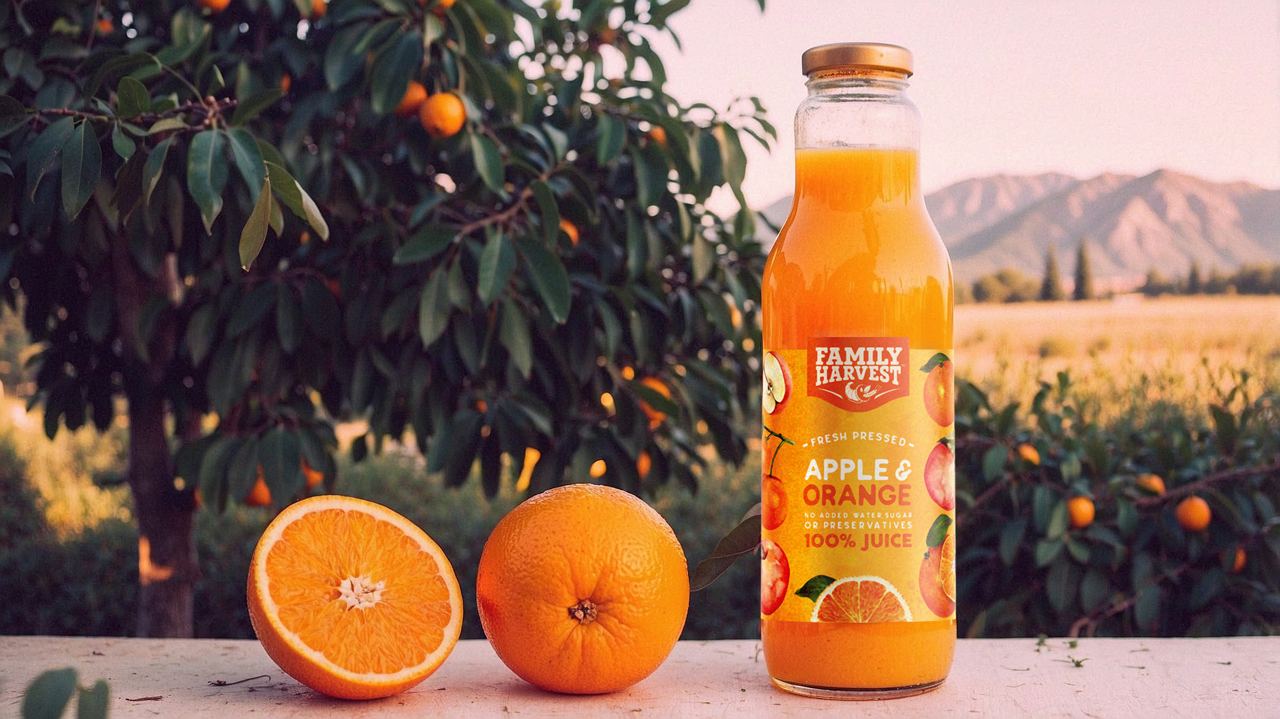
- Glass packaging is the best option, as it does not affect the taste and composition of the product.
- Cardboard packaging (Tetra Pak): Preserves the quality of the product if the integrity of the packaging is not broken.
- Plastic bottle: Less environmentally friendly but acceptable for short-term storage.
Color and consistency
- The color should match the natural hue of the fruit or vegetable. For instance, orange juice should appear deep orange, not a bright neon shade.
- Sediment at the bottom of the bottle is acceptable in natural juices.
Price
A price that is too low may indicate the presence of artificial ingredients or low-quality fruit.